Why Do I Look Different in Photos vs the Mirror?
Dr. Hannah Lee
Author
Almost everyone has felt it. You look fine in the mirror, then a photo turns up and your face seems different, maybe even wrong. It is one of the most common worries about looks, and the good news is that there is a simple reason for it. You are not less attractive in photos. Your brain is just used to a different version of your face.
In this guide we will explain exactly why photos and mirrors show you differently, in plain words, and how to feel good about both. If you want a neutral read of your features that is not tied to one tricky photo, you can try our free face analyzer with a clear, front facing picture.
The Mirror Flip
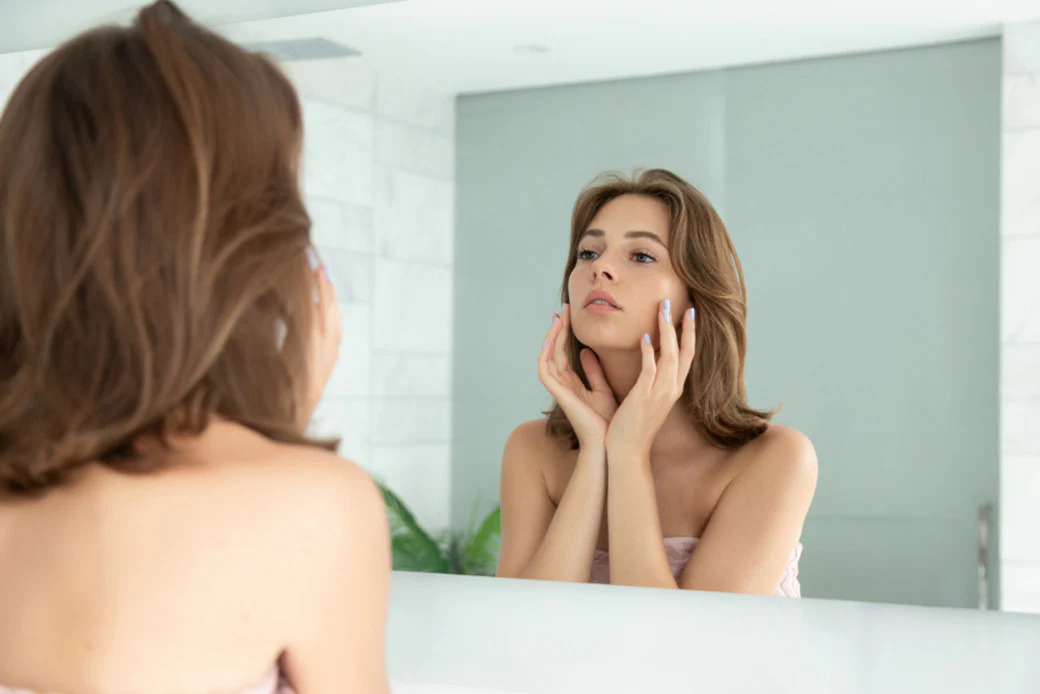
The biggest reason is simple. A mirror shows you a flipped, reversed image, while a photo shows you the way other people see you. You spend years looking at your flipped face in the mirror, so that version feels like the real you. When a photo shows the unflipped version, the small differences between your two sides suddenly look unfamiliar.
This matters because no face is perfectly even. As we explain in our piece on the science of face symmetry, everyone has small differences between their left and right sides. In the mirror you are used to them one way. In a photo they are reversed, so your brain notices them and feels something is off, even though nothing is wrong.
Camera Lenses Change Your Face
Phone cameras, especially front facing ones, use wide lenses that sit close to your face. This can stretch whatever is nearest the camera, often the nose, and make it look bigger than it really is. Step back and use a zoom, or take the photo from a little further away, and your face looks much closer to real life.
This is why a quick selfie can look so different from a photo someone takes of you across the room. The further the lens, the more natural and balanced your features appear. So a bad selfie often says more about the lens than about your face.
Angle and Lighting
The angle of a photo changes a lot. A camera held low can widen the jaw and add a double chin, while one held slightly above eye level slims the face. Lighting matters too. Harsh light from one side throws shadows that can make features look uneven. Even the angle of your eyes can read differently depending on the shot, which we cover in our guide to canthal tilt. None of these changes are your real face. They are just the photo.
A Frozen Moment
In real life, people see you moving, talking, blinking, and smiling. A photo freezes one split second, and it might catch you mid blink or with an odd half expression. The mirror also shows you in motion, making tiny adjustments without even knowing it. A still photo cannot do that, so it can feel stiff or strange compared to the living version of you.
So Which One Is the Real You?
Here is the reassuring truth. Both are real, and neither is the full story. The mirror is your familiar, flipped view. The photo is a single frozen frame seen through a lens. The real you is the moving, talking person that friends and family see every day, and they are used to your face exactly as it is. They do not notice the small things that bother you in a photo.
Why It Messes With Your Head
There is a well known effect where we prefer the version of something we see most often. Since you see your mirror face the most, you tend to prefer it, and the photo version can feel less right just because it is less familiar. This is also why it helps not to judge your looks from one unflattering photo. If you want a calmer way to think about beauty scores and features, our piece on what your face rating score means can help you keep things in perspective.
How to Look Better in Photos
A few simple habits help your photos match how good you look in person:
- Hold the camera at or slightly above eye level
- Use the back camera or step back and zoom to reduce lens distortion
- Find soft, even light and face toward it
- Relax your face and give a genuine smile
- Take a few shots so you can pick a natural one
A real smile makes the biggest difference, so our guide to what makes a smile attractive is worth a read. Knowing your face shape also helps you find your best angles and styling.
Front Camera vs Back Camera
Not all cameras are equal. The front facing selfie camera on most phones is lower quality and uses a wider lens, which is exactly what causes the stretched, slightly off look. The back camera is usually sharper and gives a more natural, true to life image.
If your selfies never seem to match how you look in person, try this: hand your phone to a friend and ask them to take a photo with the back camera from a few steps away. Most people are pleasantly surprised by the difference. That photo is usually much closer to how others actually see you.
Why Mirrors Can Lie Too
It is easy to think the mirror is the honest one and the camera is the liar, but mirrors are not perfect either. A mirror only shows the flipped version of you, and the lighting in your bathroom or bedroom is often soft and flattering. You also tend to pose, even without meaning to, by tilting your head to your favorite angle and relaxing into a familiar look.
So the mirror is not the pure truth and the photo is not the cruel truth. They are just two different views, each with its own quirks. The real you sits somewhere between them, in motion and full of expression.
Getting Used to Your Photo Face
Here is a gentle trick that helps many people. The more you see your unflipped, photo self, the more normal and likable it starts to feel. Take more casual photos, look at them without judging, and let your brain get used to that version of you.
Over time, the gap between your mirror face and your photo face stops feeling so jarring. You are not changing your face. You are simply making friends with a version of it you do not see as often. That small shift can make a big difference to how you feel about photos.
A Kind Reminder
If a photo ever makes you feel down, try to remember that it is one frozen frame through a lens, not the whole picture of you. The people who care about you see a warm, moving, expressive face, not a single awkward shot. As our honest look at the most attractive face shape explains, no single image or feature decides how attractive you are.
For more guides like this, visit our beauty and science blog, see how our analysis works, or learn more about us on our about us page. The short version is this: you look just fine, the camera is the tricky part, and the living you is the real you.
Ready to Try It Yourself?
Get your free beauty analysis and discover your unique beauty profile.
Start Free Analysis