How to Measure Your Waist to Hip Ratio
Dr. Sarah Chen
Author
Your waist to hip ratio, often shortened to WHR, is a simple way to describe the shape of your body. It compares the size of your waist to the size of your hips. People use it to understand body shape, to shop for clothes that fit, and as one of several health markers. The good news is that you can measure it at home in a couple of minutes with just a tape measure.
In this guide we will walk through how to measure and work out your WHR, what the numbers mean, and an honest note on how much to read into them. If you would rather skip the tape measure, our free body shape tool can estimate your proportions from a photo, and the rest of this guide explains the shapes in plain words.
What You Need
You only need a soft, flexible tape measure, the kind used for sewing. If you do not have one, you can wrap a piece of string around your body and then measure the string against a ruler. A mirror helps so you can check the tape is level all the way around.
How to Measure Your Waist
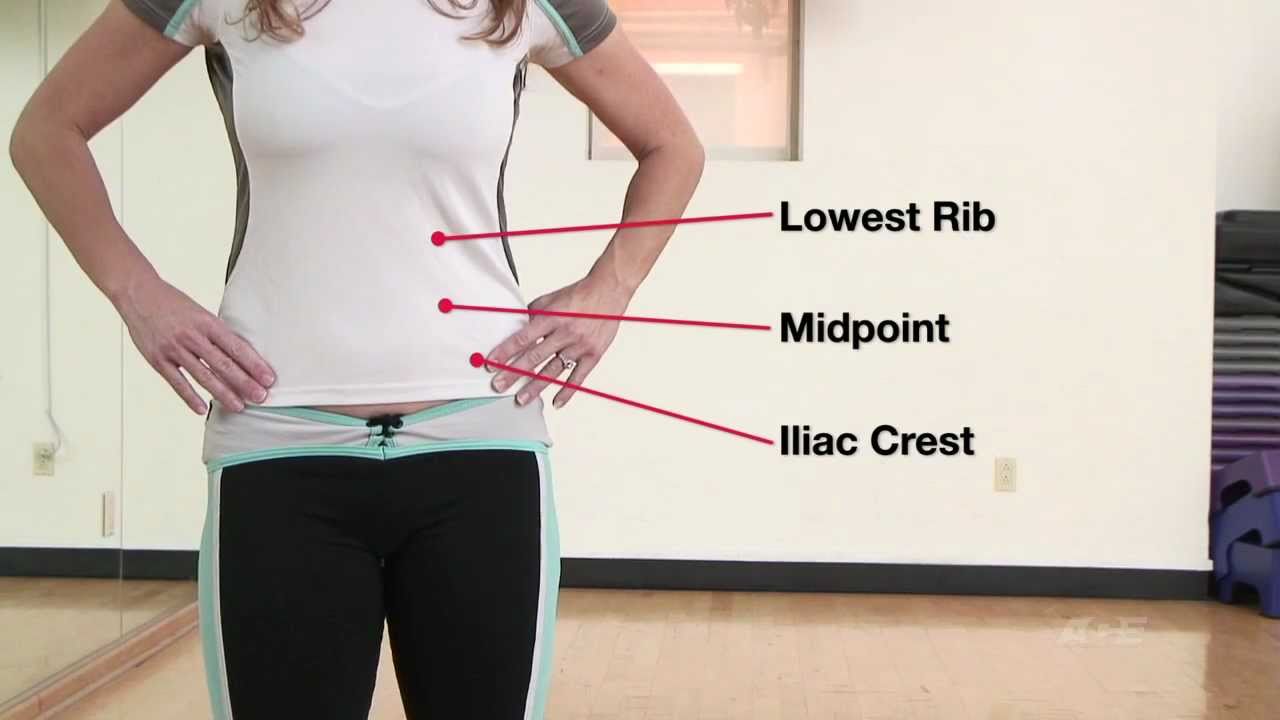
Stand up straight and relaxed, and breathe normally. Find the narrowest part of your waist, which is usually just above your belly button and below your rib cage. Wrap the tape around this point, keeping it snug but not tight, and make sure it sits level all the way around. Do not suck in your stomach. Note the number.
How to Measure Your Hips
Now find the widest part of your hips and backside. Wrap the tape around this fullest point, again keeping it level and snug. Stand with your feet together for this one, since standing with your feet apart can change the number. Note this measurement too.
How to Calculate Your Ratio
The math is simple. Divide your waist measurement by your hip measurement. For example, if your waist is 28 inches and your hips are 40 inches, you divide 28 by 40, which gives 0.70. That number is your waist to hip ratio. It does not matter whether you measure in inches or centimeters, as long as you use the same unit for both.
What the Numbers Mean
A lower ratio means your waist is smaller compared to your hips, which gives a more curved, hourglass like shape. A higher ratio means your waist and hips are closer in size, which gives a straighter shape. Neither is better than the other. They are simply different body types, and both are completely normal and healthy.
Health researchers do study WHR as one of many general markers, but it is only a small piece, and it is not something to worry over on its own. If you have any health questions, a doctor is the right person to talk to, since they can look at the full picture rather than a single number.
WHR and Your Body Shape
Your waist to hip ratio is closely tied to your overall body shape. A lower ratio often points to an hourglass or pear shape, while a higher ratio is common with rectangle or apple shapes. To see how this fits the full picture, our body shape calculator guide breaks down each shape and shares simple styling tips for dressing in a way that makes you feel great.
Why People Talk About It
WHR comes up a lot in beauty talk because certain ratios have been linked with classic ideas of an attractive figure. But these ideas are not fixed. Body ideals have shifted a great deal across history and place, as our look at beauty standards across cultures shows. The same goes for faces, which is part of why proportion ideas like the golden ratio and facial beauty are just one view, not a rule for real people.
Tips for an Accurate Measurement
Small mistakes can throw off your numbers, so a little care helps. Keep these tips in mind when you measure:
- Measure over bare skin or thin clothing, not over bulky layers
- Keep the tape level all the way around, not slanted
- Breathe normally and do not suck in your stomach
- Keep the tape snug but not so tight that it digs in
- Measure at the same time of day if you want to compare over time
It also helps to measure twice and take the average, since it is easy to be off by a little on the first try. If a friend can help hold the tape level at the back, your numbers will be even more reliable.
Common Questions
Does my WHR change? Yes, it can shift slowly with age, activity, and natural changes in your body. This is normal, so there is no need to check it often.
Is a lower ratio always better? No. A lower ratio simply means a more curved shape. Both lower and higher ratios are normal and healthy, and each suits different styles of clothing.
Can men measure their WHR too? Yes. Anyone can measure it the same way. Men often have a higher ratio because of a naturally straighter shape, which is completely normal.
An Honest Note
Your waist to hip ratio is a useful number for understanding your shape and shopping for clothes, but it is not a score of your worth or your beauty. Try not to obsess over it or chase a certain number in an unhealthy way. A body that feels strong, rested, and cared for will always serve you better than one shaped by stress. If a single measurement ever makes you feel bad, it helps to step back and remember that beauty is far bigger than any ratio. You can read our take on this in what your face rating score means, which applies just as well to body numbers.
Using Your Ratio to Dress Well
The most practical use of your waist to hip ratio is shopping for clothes that fit and flatter. If you have a curved, lower ratio shape, fitted styles and belted looks show off your waist. If you have a straighter, higher ratio shape, you can create curves with peplum tops, layers, and a belt at the waist. Knowing your ratio takes a lot of the guesswork out of getting dressed.
This is where a ratio is truly helpful. It is not a goal to chase, just a handy fact that helps you pick clothes you feel good in. Use it that way and it becomes a small, useful tool rather than a source of stress.
Beyond the Numbers
A ratio is just one detail in a much bigger picture. As our honest look at the most attractive face shape explains, no single measure decides how attractive a person is, and the same is true for the body. If you also want to style your face and hair, knowing your face shape is a good next step. For more guides like this, visit our beauty and style blog, see how our analysis works, or learn more about us on our about us page. Measure your ratio if you are curious, use it to dress with confidence, and then get on with enjoying your day.
Ready to Try It Yourself?
Get your free beauty analysis and discover your unique beauty profile.
Start Free Analysis