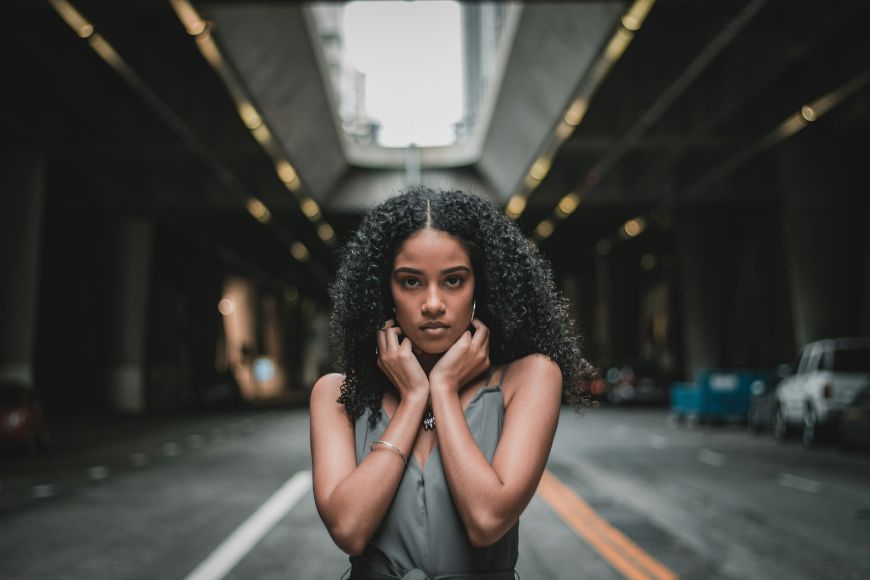
Best Angles and Lighting for Face Photos
Olivia Bennett
Author
A good photo is mostly about angles and light, not luck. The same face can look completely different depending on where the camera sits and how the light falls. Once you learn a few simple tricks, you can take photos that look like the best, most natural version of you. None of this needs fancy gear, just your phone and a little practice. Anyone can learn them, no modeling experience required.
In this guide we will cover camera height, lighting, posing, and more. If you have ever wondered why your photos look off, our piece on why you look different in photos than the mirror is a great companion read. And for a neutral look at your features, you can try our free face analyzer with a clear, front facing photo.
Camera Height and Angle
The single biggest factor is camera height. Hold the camera at eye level or just slightly above. A camera held too low looks up your nose, widens the jaw, and can add a double chin. A camera held slightly high slims the face and opens the eyes. As a rule of thumb, the lens should be at or a touch above your eye line.
For angle, a slight turn of the head usually looks better than facing the camera dead on. Turn your face a little to one side and bring your chin slightly forward and down. This adds shape and avoids a flat, frozen look. A small tilt of the head, rather than holding it perfectly straight, also reads as more natural and relaxed.
The Best Lighting
Soft, even light is the most flattering. The best free option is natural daylight near a window, or outdoors in open shade. Soft light smooths the skin and reduces harsh shadows. Face toward the light so it falls evenly across your face, rather than from one harsh side.
Try to avoid hard overhead light, like a ceiling bulb directly above, since it casts shadows under the eyes and nose. Also avoid strong backlight, where the light is behind you, as it turns your face into a dark shape. When in doubt, find a window and face it. Golden hour, the soft light shortly after sunrise or before sunset, is especially flattering outdoors.
Find Your Good Side
Most people have a side they prefer in photos, because no face is perfectly even. Take a few shots turning slightly left and slightly right, then compare. Use the side that feels most like you. Over time you will know your favorite angle without thinking about it, and you can turn to it automatically. There is nothing vain about this. Everyone has a side that photographs a little better.
Pose Your Jaw and Neck
A simple jaw trick sharpens almost any photo. Push your forehead slightly toward the camera and tilt your chin down a touch. This stretches the neck and defines the jawline, removing any soft look under the chin. It feels a little odd, but it looks great in photos. Our guide on how to get a more defined jawline covers this and other simple tricks in more detail.
Smile Naturally
A genuine smile is the fastest way to a great photo. A forced grin looks stiff, while a real smile reaches the eyes and reads as warm. Just before the shot, take a breath, relax your shoulders, and think of something that actually makes you happy. Our guide to what makes a smile attractive shares more ways to bring out a natural, easy smile.
Angles by Face Shape
Your best angle depends a little on your face shape. Round faces often look great with a slight turn and a touch of height to add length. Long faces suit a more straight on angle so the face does not look longer. Square faces can soften with a gentle turn. To find what suits you, it helps to know your face shape first.
Eyes and Expression
Bright, relaxed eyes make a photo come alive. Look just above the lens or right into it, and avoid squinting against bright light. A soft, open expression beats a tense one every time. Even the angle of your eyes can read differently in a shot, which we touch on in our guide to canthal tilt. The goal is simply to look like a relaxed, happy version of yourself.
Distance and Zoom
How close the camera sits to your face changes a lot. A phone held very close, like in a selfie, uses a wide lens that stretches whatever is nearest, usually the nose. This is why close selfies can look slightly off. The fix is simple: step back and use a little zoom, or have someone take the photo from a few steps away.
A bit more distance flattens out that distortion and gives your features their true, balanced proportions. If you only take one tip from this guide, let it be this one, since it makes a bigger difference than almost anything else. It is the easiest fix on this whole list.
Background and Framing
A busy background pulls attention away from your face, so a simple, clean backdrop usually works best. A plain wall, some greenery, or an open outdoor space all keep the focus on you. Leave a little space above your head rather than cutting it off, and avoid having poles, edges, or bright objects right behind your head.
For framing, a head and shoulders shot is flattering and classic. Centering yourself works well, but a slight off center placement can look more natural and relaxed. Keep it simple and let your face be the star of the shot.
Mistakes to Avoid
A few common mistakes can spoil an otherwise good photo. Watch out for these:
- Holding the camera too low, which looks up your nose
- Harsh overhead or one sided light that casts deep shadows
- Standing with the bright light behind you
- Forcing a stiff smile instead of a relaxed, genuine one
- Taking only one shot instead of a few to choose from
Avoiding these is half the battle. Get the basics right and your photos will look far more like the person your friends see.
A Quick Photo Checklist
Before you take your next photo, run through these quick reminders:
- Camera at or slightly above eye level
- Soft light on your face, ideally from a window
- A small turn of the head and chin slightly forward and down
- A relaxed, genuine smile and bright eyes
- A clean background and a few shots to pick from
Beyond the Photo
Good angles and light help, but remember that no photo defines you. If a shot ever makes you feel down, it is just one frozen frame through a lens. For a calmer way to think about beauty scores and features, our piece on what your face rating score means helps keep things in perspective. For more guides like this, visit our beauty and style blog, see how our analysis works, or learn more about us on our about us page. Practice these tricks a few times and good photos will start to feel easy and natural. Soon you will reach for your best angle and light without even thinking about it.
Ready to Try It Yourself?
Get your free beauty analysis and discover your unique beauty profile.
Start Free Analysis