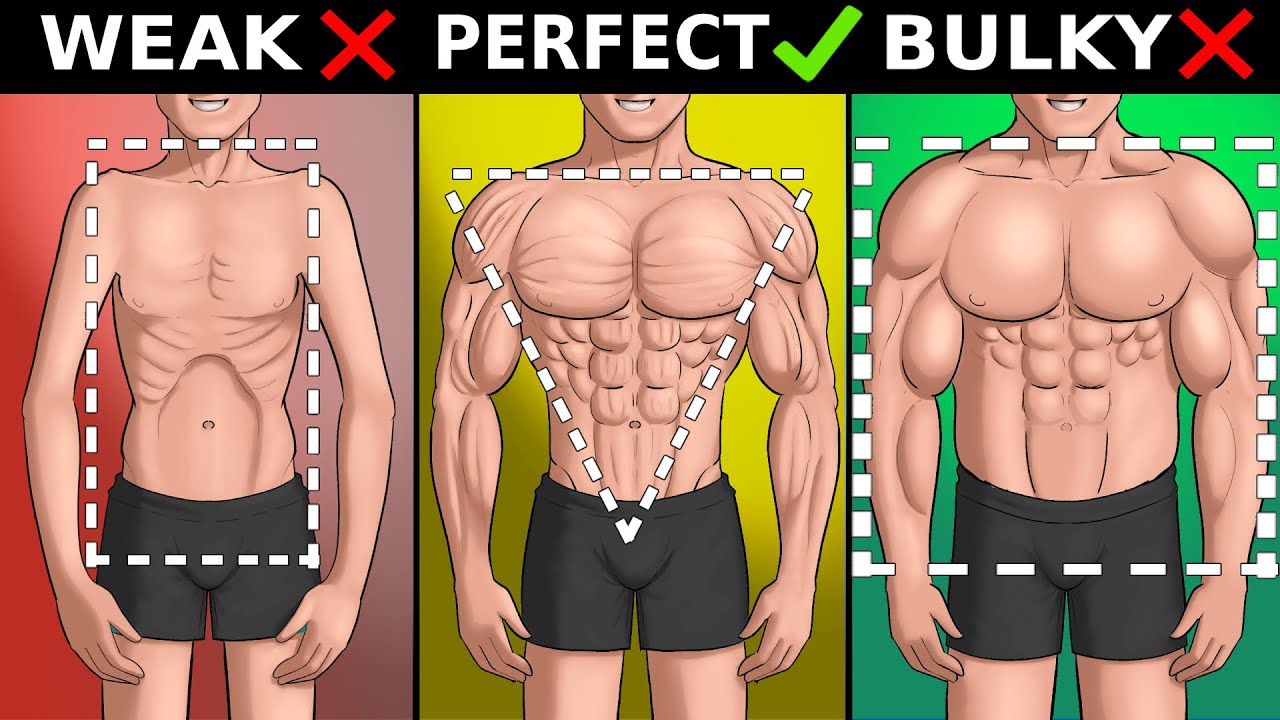
Ideal Body Proportions Explained
Dr. Michael Roberts
Author
You have probably heard people talk about ideal body proportions, the classic ratios that are said to make a figure look balanced. Artists, tailors, and beauty writers have used these ideas for centuries. But what do they actually mean, and how much should you care about them? In this guide we will explain the main ratios in simple words and give an honest take on why real bodies are beautiful in every shape.
If you want to see your own proportions, you can try our free body shape tool, which estimates your measurements from a photo. From there, the sections below explain what the main ratios mean.
What Ideal Proportions Means
Ideal proportions are simply a set of ratios that many people find balanced and pleasing to the eye. The idea is not about size or weight. It is about how the different parts of the body relate to one another, such as the waist to the hips, or the shoulders to the waist. When these parts are in certain ratios, the body can look balanced. But balanced is not the same as better, and there are many balanced shapes. A tall person and a short person can both have balanced proportions, and so can people of very different sizes.
The Classic Ratios
A few ratios come up again and again when people talk about proportion. Each one looks at a different part of the body, and together they paint a picture of how balanced a figure is:
Waist to hip ratio: This compares your waist to your hips and is one of the most talked about figures. You can learn how to measure yours in our guide on the waist to hip ratio.
Shoulder to waist ratio: Often discussed for a more athletic or V shaped look, especially in men, where broader shoulders sit above a narrower waist.
Leg to body ratio: The length of the legs compared to the torso. Different ratios here simply give different looks, and clothing can play either up.
Height in head lengths: Artists often draw the body as about seven to eight head lengths tall, a rule used to keep drawings looking natural.
How Proportions Connect to Body Shape
These ratios are closely tied to your overall body shape. For example, a smaller waist to hip ratio often points to an hourglass or pear shape, while a straighter ratio is common with rectangle or apple shapes. To see how it all fits together, our body shape calculator guide breaks down each shape and shares simple styling tips.
The Golden Ratio and the Body
You may have heard that the body, like the face, can be linked to the golden ratio, the number near 1.618 that shows up in art and nature. Some people measure things like the navel position or limb lengths against it. It is a fun idea, but take it lightly. Just as with the face, which we cover in our guide to the golden ratio and facial beauty, the golden ratio is one lens, not a rule that real bodies must follow. Bodies that stray from it are just as beautiful.
Do Ideal Proportions Really Exist?
Here is the honest part. There is no single ideal body that fits all times and places. Body ideals have changed a great deal across history and culture, as our look at beauty standards across cultures shows. Different eras have prized soft, curved, slim, and strong figures in turn. So calling any one set of proportions the ideal leaves out most of the story. The truth is that healthy, confident bodies are admired in every shape.
Proportions in Art and History
The idea of ideal proportions is very old. Ancient Greek sculptors built rules for the body so their statues would look balanced and lifelike. Later, Renaissance artists studied the same ideas, mapping out where the joints, navel, and limbs should fall. The famous Vitruvian Man drawing is one well known example of an artist trying to capture the perfect proportions of the human body.
These rules were useful tools for drawing and sculpting, and they still help artists today. But it is worth remembering that they were made as guides for art, not as a measure of which real bodies are good or bad. A drawing rule and a living person are two very different things, and no one should feel measured against a sketch.
How to Dress for Your Proportions
The most useful thing you can do with your proportions is dress in a way that makes you feel great. A few simple ideas help any shape:
- If your legs are shorter in proportion, high waisted styles lengthen them
- If your torso is long, a defined waistline balances it out
- To add curves, try belts, peplum tops, and layers
- To balance broad shoulders, add a little volume on the bottom half
- Choose clothes that fit well, since good fit flatters every proportion
None of this is about hiding your body. It is about working with your natural shape so you feel confident. The best outfit is always the one that makes you feel good when you wear it.
An Honest Note
Proportions are interesting to learn about and useful for choosing clothes, but they are not a score of your worth. Try not to chase a certain set of numbers in a way that harms your health or your peace of mind. A body that feels strong, rested, and cared for matters far more than any ratio. If a measurement ever makes you feel bad, step back and remember that beauty is much bigger than numbers. We make this same point in what your face rating score means, and it applies just as well to the body.
Common Questions
Can I change my body proportions? Your basic frame, like your bone length and where your weight sits, is mostly set by genetics. You can build strength and care for your health, but the goal is a body that feels good, not one that matches a chart.
Are proportions different for men and women? Yes. On average, women tend to have a lower waist to hip ratio and men a higher shoulder to waist ratio, though there is huge natural variety. Both are completely normal.
Do proportions matter more than size? For how balanced a body looks, proportion plays a bigger role than overall size. This is good news, since it means people of every size can look balanced and confident.
Beyond the Numbers
Body proportions are just one way to look at balance. The same idea shows up on the face too, where artists split the face into even parts, as we explain in our guide to facial thirds and fifths. In both cases, balance is a helpful idea, not a hard rule. For more guides like this, visit our beauty and style blog, see how our analysis works, or learn more about us on our about us page. Learn the ratios if they interest you, use them to dress with confidence, and let your own shape be exactly what it is. That mix of self knowledge and self acceptance always looks good.
Ready to Try It Yourself?
Get your free beauty analysis and discover your unique beauty profile.
Start Free Analysis